
Indulge in the Ultimate Comfort Food: Classic Chicken Fettuccine Alfredo
Few dishes evoke the warmth and comfort of home quite like a rich and creamy plate of Chicken Fettuccine Alfredo. This beloved Italian-American classic has captured hearts and palates worldwide with its luxurious sauce, tender chicken, and perfectly cooked pasta. Whether you’re a seasoned chef or a kitchen novice, this recipe is designed to help you create an extraordinary meal that’s both simple to prepare and incredibly satisfying. Forget the bland, store-bought versions; our guide will walk you through crafting a homemade Chicken Fettuccine Alfredo that’s bursting with flavor, promising a delightful culinary experience for you and your loved ones.
Imagine tender, perfectly seasoned chicken breast nestled atop a bed of al dente fettuccine, all generously coated in a velvety smooth Parmesan cream sauce. This isn’t just a meal; it’s an experience. Perfect for a cozy family dinner, a romantic evening, or even a delightful gathering with friends, this Classic Chicken Fettuccine Alfredo recipe is sure to become a staple in your culinary repertoire. We’ve streamlined the process to ensure you achieve restaurant-quality results in under an hour, making gourmet dining accessible any day of the week.
We’ll delve into the secrets behind creating the silkiest Alfredo sauce, ensuring your chicken is always juicy and flavorful, and mastering the art of perfectly cooked pasta. From selecting the freshest ingredients to expert cooking tips and delicious variations, this comprehensive guide has everything you need to prepare a dish that’s truly unforgettable. Get ready to transform simple ingredients into a masterpiece of comfort food that will have everyone asking for seconds!
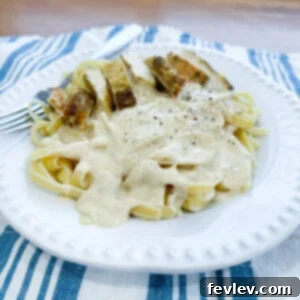
Classic Chicken Fettuccine Alfredo
Comment
Print Recipe
Ingredients
- 1 lb fettuccine pasta. Choose a good quality brand for the best texture and ensure it’s fresh for optimal flavor absorption.
- 1 lb chicken breast. Boneless, skinless chicken breasts are ideal for their lean protein and quick cooking time. For even cooking, consider pounding them to a uniform thickness.
- 2 tsp Italian seasoning. This versatile blend of dried herbs like oregano, basil, thyme, and rosemary provides an authentic Mediterranean flavor profile to the chicken.
- ½ tsp onion powder. Adds a subtle depth of savory flavor to the chicken without the texture of fresh onion, ensuring a smooth coating.
- ½ tsp garlic powder. A staple seasoning that enhances the overall savory notes of the chicken and complements the fresh minced garlic in the sauce.
- 2 tsp salt. Essential for seasoning both the pasta water (to infuse flavor into the fettuccine) and the chicken to bring out its natural taste.
- 2 tbsp olive oil. Used for sautéing the chicken to a beautiful golden crust and starting the flavorful base for the Alfredo sauce.
- 1 tbsp minced garlic. Freshly minced garlic is crucial for an authentic and aromatic Alfredo sauce. Avoid pre-minced jarred garlic for superior flavor.
- 2 cups + 3 tbsp chicken broth, divided. Low-sodium chicken broth allows you to control the overall saltiness and adds a rich savory background to the sauce.
- 1 cup heavy cream. The cornerstone of a truly rich and creamy Alfredo sauce. Do not substitute with lighter creams or milk, as they may curdle or not provide the desired texture.
- 2 cups Parmesan cheese. Freshly grated Parmesan cheese is non-negotiable for a smooth, lump-free sauce and offers the best, most authentic Italian flavor. Avoid pre-shredded varieties, which often contain anti-caking agents.
- 1 tbsp cornstarch. Used to create a cornstarch slurry, ensuring a perfectly thickened sauce with a velvety consistency, preventing lumps.
- 1 tbsp water. To mix with the cornstarch, forming a smooth slurry that helps evenly distribute the thickening agent into the sauce.
Instructions
-
Cook the Fettuccine: Bring a large pot of generously salted water to a rolling boil. Add the fettuccine pasta and cook according to the package instructions until it reaches an al dente texture – tender yet still firm to the bite. Once cooked, drain the pasta thoroughly, but do not rinse it; the residual starch helps the sauce cling beautifully to the noodles. Set the cooked pasta aside.
-
Season the Chicken: While your pasta is cooking, prepare the chicken breasts. Pat them dry with paper towels to ensure a proper sear. Season both sides generously with the Italian seasoning, onion powder, garlic powder, and 1 teaspoon of salt. This aromatic blend will infuse the chicken with rich, savory flavors.
-
Cook the Chicken: Heat the 2 tablespoons of olive oil in a large sauté pan or skillet over medium heat until it shimmers. Carefully place the seasoned chicken breasts into the hot pan. Cook for 4-5 minutes on each side, or until the chicken is beautifully golden brown and fully cooked through, reaching an internal temperature of 165°F (74°C). Remove the chicken from the pan and transfer it to a cutting board, covering it loosely with aluminum foil to keep it warm and allow the juices to redistribute for maximum tenderness.
-
Deglaze the Pan and Build Flavor: Using the same pan (do not clean it), reduce the heat slightly. Add the minced garlic and 3 tablespoons of the chicken broth. Stir the garlic, actively scraping up any browned bits (known as “fond”) from the bottom of the pan with a wooden spoon. These caramelized bits are packed with incredible flavor and are essential for a rich sauce. Add the remaining chicken broth and bring the mixture to a gentle simmer.
-
Prepare the Alfredo Sauce Base: Once the broth mixture is simmering, pour in the heavy cream and continue to heat for a few minutes, stirring occasionally. When the heavy cream begins to gently simmer, gradually stir in the Parmesan cheese. Turn the heat down to low to prevent the sauce from boiling rapidly, and allow the Parmesan to melt completely, stirring frequently until the sauce becomes smooth and homogeneous.
-
Thicken the Sauce: In a small separate bowl, whisk together the cornstarch and 1 tablespoon of water until you have a perfectly smooth slurry with no lumps. Slowly pour this cornstarch slurry into the simmering Alfredo sauce while continuously stirring. Continue to stir gently until the sauce thickens to your desired consistency. The slurry will help achieve a stable and silky-smooth texture.
-
Combine and Serve: Carefully slice the rested cooked chicken breasts into bite-sized pieces or thin strips. Add the chicken to the thickened Alfredo sauce, ensuring each piece is well coated. Gently toss the drained fettuccine pasta with the chicken and sauce until every strand is beautifully covered. Serve immediately, garnished with fresh chopped parsley or an extra sprinkle of Parmesan cheese if desired. Enjoy your delectable homemade Classic Chicken Fettuccine Alfredo!
Watch How to Make It!
Coming soon: A step-by-step video guide to help you perfectly execute this Classic Chicken Fettuccine Alfredo recipe. Visual learners will appreciate the detailed demonstrations for each stage of cooking, ensuring you achieve a flawless and delicious result every time.
Tips for the Perfect Chicken Fettuccine Alfredo
- Use Freshly Grated Parmesan: This is a crucial tip! Pre-shredded Parmesan often contains anti-caking agents like cellulose, which can make your sauce gritty or prevent it from melting smoothly. Freshly grated Parmesan cheese melts seamlessly into a silky, creamy sauce, delivering superior flavor and a more luxurious texture.
- Don’t Overcook the Pasta: Cook your fettuccine only until it’s al dente – meaning it’s tender but still has a slight bite. Overcooked pasta becomes mushy and won’t properly absorb or hold the rich Alfredo sauce. Aim for a perfect al dente texture for the best culinary experience.
- Pat Chicken Dry: Before seasoning and cooking, always pat your chicken breasts thoroughly dry with paper towels. This crucial step helps achieve a beautiful golden-brown sear on the chicken, which not only looks appealing but also locks in moisture and develops a deeper, more complex flavor.
- Deglaze for Flavor: Never skip the step of scraping the browned bits, or “fond,” from the bottom of the pan after cooking the chicken. These caramelized bits are packed with concentrated umami flavor and are essential for creating a deeply rich and flavorful Alfredo sauce.
- Low Heat for Sauce: When you’re adding heavy cream and especially the Parmesan cheese to your sauce, it’s vital to keep the heat on low. High heat can cause the cream to separate or the cheese to clump, resulting in a broken or grainy sauce. Patience and gentle heat are key for a perfectly silky smooth Alfredo.
- Cornstarch Slurry: Ensure your cornstarch and water are thoroughly mixed into a smooth, lump-free slurry before adding it to the sauce. Adding a lumpy slurry will result in a clumpy sauce. This step helps in achieving an even and stable thickening without any undesired texture.
- Serve Immediately: Alfredo sauce, by its nature, tends to thicken considerably as it cools. For the absolute best taste and creamy consistency, serve your Classic Chicken Fettuccine Alfredo immediately after tossing it with the pasta. If you must reheat leftovers, gently warm them on the stovetop over low heat, adding a splash of milk or chicken broth to help loosen and restore the sauce’s creaminess.
Variations & Customizations for Your Alfredo
This Classic Chicken Fettuccine Alfredo recipe is wonderfully versatile, making it easy to adapt to your personal preferences or what you have on hand. Feel free to get creative and customize it to your taste:
- Add Vegetables: Enhance the nutritional value and color of your dish by sautéing some fresh mushrooms, vibrant spinach, tender broccoli florets, or sun-dried tomatoes along with the garlic. These additions complement the rich sauce beautifully.
- Different Proteins: While chicken is traditional, this recipe works splendidly with other proteins. Consider using succulent shrimp, flaky salmon, or even thinly sliced steak for a luxurious twist. For a delicious vegetarian option, simply omit the chicken entirely or replace it with grilled portobello mushrooms or roasted vegetables.
- Spicy Kick: If you enjoy a hint of heat, add a pinch of red pepper flakes to the sauce when you introduce the garlic. It provides a subtle warmth that elevates the overall flavor.
- Herbal Infusion: Garnish your finished dish with fresh herbs like chopped basil, chives, or a sprinkle of fresh cracked black pepper for an extra layer of aromatic complexity and a pop of color.
- Cheese Blend: While Parmesan cheese is the traditional choice and provides exquisite flavor, a blend of Parmesan and a touch of Pecorino Romano can add a sharper, saltier, and more piquant kick to your Alfredo sauce.
- Add Lemon Zest: A little bit of fresh lemon zest (about half a teaspoon) stirred into the sauce at the very end can brighten up the flavors and add a refreshing counterpoint to the richness.
What to Serve with Classic Chicken Fettuccine Alfredo
To complete your delightful meal and create a balanced dining experience, consider these delightful accompaniments that pair perfectly with the rich and creamy flavors of Chicken Fettuccine Alfredo:
- Garlic Bread: A timeless and universally loved pairing! Warm, crusty garlic bread is perfect for soaking up every last drop of that incredible Alfredo sauce, ensuring no flavor goes to waste.
- Side Salad: A crisp, refreshing green salad with a light vinaigrette dressing offers a wonderful contrast to the richness of the pasta. The acidity of the dressing can help cut through the creaminess, balancing your palate.
- Steamed Vegetables: Lightly steamed vegetables such as fresh asparagus, crisp green beans, or tender broccoli florets provide a healthy, colorful, and refreshing side dish that complements the main course without overpowering it.
- Wine Pairing: For adult diners, a light-bodied white wine can beautifully enhance the flavors of this dish. Consider a crisp Chardonnay (unoaked), Pinot Grigio, or Sauvignon Blanc. Their subtle acidity and fruit notes cut through the creaminess and cleanse the palate.
- Roasted Cherry Tomatoes: A simple side of roasted cherry tomatoes, perhaps with a drizzle of balsamic glaze, can add a burst of sweet and tangy flavor, offering a lovely balance to the rich Alfredo.
Frequently Asked Questions (FAQs)
- Can I use pre-cooked chicken?
- Yes, absolutely! To save valuable time, you can certainly use pre-cooked chicken, such as shredded rotisserie chicken. Simply chop or shred it into bite-sized pieces and add it to the Alfredo sauce during the final step, allowing it to warm through thoroughly. However, keep in mind that freshly cooked and seasoned chicken, as detailed in this recipe, typically offers the best flavor and texture, contributing more depth to the dish.
- How do I prevent my Alfredo sauce from clumping or separating?
- The key to a perfectly smooth and stable Alfredo sauce lies in temperature control and proper technique. Firstly, always keep the heat low when adding the heavy cream and especially the Parmesan cheese. Stir continuously and allow the cheese to melt slowly and gently. Avoid bringing the sauce to a rapid boil after adding the cream and cheese. Additionally, using freshly grated Parmesan cheese, rather than pre-shredded, helps significantly, as fresh cheese melts much more smoothly without the anti-caking agents found in packaged versions.
- Can I make this recipe ahead of time?
- While Alfredo sauce is undeniably at its best when served fresh, as it tends to thicken significantly and can sometimes separate upon reheating, you can prepare certain components in advance. For instance, the chicken can be cooked and stored separately. If you need to prepare the entire dish ahead of time, store it in an airtight container in the refrigerator for up to 2-3 days. When reheating, gently warm it on the stovetop over low heat, adding a splash of milk, chicken broth, or even a little extra heavy cream to restore its creamy consistency.
- What if my sauce is too thin?
- If, after adding the initial cornstarch slurry, your Alfredo sauce isn’t thickening to your desired consistency, you can easily correct it. Simply make another small slurry by whisking together ½ tablespoon of cornstarch with ½ tablespoon of cold water until smooth. Gradually add this second slurry to the simmering sauce, stirring continuously, until the perfect thickness is achieved. Be cautious not to add too much at once, as the sauce will continue to thicken slightly as it cools. Alternatively, you can let it simmer for a few more minutes on low heat, allowing some of the liquid to reduce.
- What kind of Parmesan cheese should I use?
- For the most authentic and best-tasting Alfredo, always use real Parmigiano-Reggiano or a high-quality Parmesan cheese, freshly grated from a block. The difference in flavor and texture compared to pre-grated varieties is significant. Freshly grated cheese melts beautifully, contributing to the rich, smooth, and robust flavor profile of the sauce.
Nutrition
Nutrition information is automatically calculated, so should only be used as an approximation. It’s provided for informational purposes only and can vary based on specific ingredients and preparation methods.
Conclusion
Classic Chicken Fettuccine Alfredo remains a timeless favorite for good reason. Its simplicity, combined with its rich and comforting flavors, makes it an ideal dish for any occasion, from a quick weeknight dinner to a special gathering. By following these steps and incorporating our expert tips, you can confidently create a homemade version that not only rivals any restaurant but also brings immense satisfaction to your kitchen. So, gather your ingredients, fire up your stove, and prepare to delight your taste buds with this exquisite pasta dish. Happy cooking!