
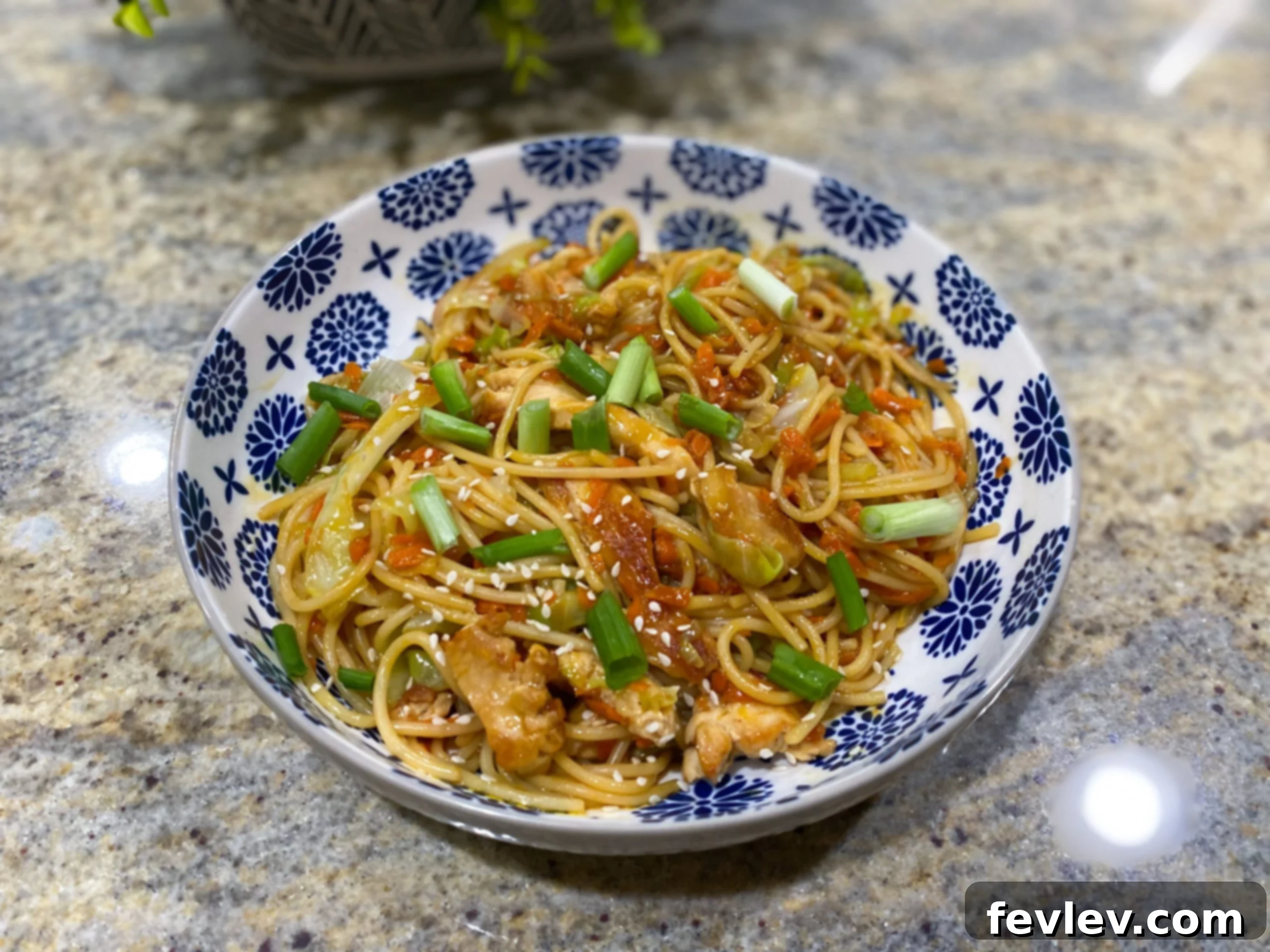
Easy Homemade Chicken Chow Mein: Better Than Takeout!
By: Julia Pacheco
Forget about greasy takeout and discover how incredibly simple and satisfying it is to make authentic Chicken Chow Mein at home. This recipe brings together perfectly cooked noodles, vibrant, crisp vegetables, and juicy chicken, all coated in a rich, savory sauce that will have you reaching for seconds. It’s quick, customizable, and guaranteed to become a new family favorite for busy weeknights!
Prep Time: 10 mins
Cook Time: 20 mins
Total Time: 30 mins
Servings: 4 servings
Pin Recipe
Comment
Print Recipe
The Allure of Chow Mein: A Classic Stir-Fry Noodle Dish
Chicken Chow Mein is a beloved staple in Chinese cuisine, famous for its delightful combination of textures and flavors. At its heart, “Chow Mein” literally translates to “stir-fried noodles,” which perfectly describes the cooking method. Unlike its cousin, Lo Mein, which features softer, often thicker noodles typically tossed in sauce, Chow Mein emphasizes a crispier noodle texture achieved by stir-frying. This classic dish traditionally includes a mix of protein, such as chicken or beef, and a medley of colorful vegetables like cabbage and carrots, all bound together by a savory, umami-rich sauce.
The beauty of homemade Chicken Chow Mein lies in its freshness and the ability to control every ingredient. You can guarantee the quality of your chicken, the crispness of your vegetables, and the perfect balance of flavors in your sauce. This recipe is specifically designed to be quick and straightforward, allowing you to whip up a delicious meal in just 30 minutes. It’s an excellent way to enjoy the authentic taste of your favorite Chinese restaurant dish without leaving your kitchen, and often, with far healthier results.
Why This Homemade Chicken Chow Mein Recipe is a Must-Try
There are countless reasons why this Chicken Chow Mein recipe stands out as a winner. Firstly, it’s incredibly fast. With only 10 minutes of prep time and 20 minutes of cooking, it’s an ideal solution for those hectic weeknights when you crave something wholesome and flavorful but are short on time. Secondly, the flavors are truly outstanding. The carefully balanced sauce, with its notes of savory soy, rich oyster sauce, and aromatic sesame oil, perfectly complements the tender chicken and fresh vegetables. You’ll find yourself wondering why you ever ordered takeout!
Moreover, making Chow Mein at home allows for complete customization. You can easily adjust the amount of vegetables to your liking, swap proteins, or even tweak the sauce to match your preferred level of sweetness or spice. This recipe focuses on simple, accessible ingredients that are easy to find in any grocery store, making it a stress-free culinary adventure. It’s a fantastic way to impress your family and friends with a dish that tastes complex but is deceptively easy to prepare.
Ingredients for Your Perfect Chicken Chow Mein
Gathering fresh, high-quality ingredients is the first step to a truly exceptional Chow Mein. Here’s what you’ll need:
Main Dish Components
- 1 lb chicken breast, thinly sliced: Thin slices cook quickly and absorb the sauce beautifully. You can also use chicken thighs for a richer flavor.
- 3 tbs olive oil: For sautéing the chicken and vegetables. Any neutral cooking oil like canola or vegetable oil will also work.
- 10 oz chow mein noodles, or thin spaghetti noodles: Traditional chow mein noodles are best, but thin spaghetti is an excellent and readily available substitute.
- 2.5 cups green cabbage, thinly sliced: Provides a fantastic crunch and natural sweetness.
- 3 large carrots, sliced: Adds color, sweetness, and essential nutrients.
- 1 tbs minced garlic: Aromatic foundation for the stir-fry. Freshly minced is always preferred.
Chow Mein Sauce – The Heart of the Flavor
- 1 tbs cornstarch: Used to thicken the sauce, giving it that desirable glossy consistency.
- ½ cup chicken broth: Forms the liquid base of the sauce, adding depth. Vegetable broth can be used for a lighter flavor.
- 1 tbs sugar: Balances the savory notes with a touch of sweetness. Adjust to your taste.
- 3 tbs oyster sauce: A key ingredient for authentic umami flavor. Look for vegetarian oyster sauce for a plant-based option.
- 2 tbs low sodium soy sauce: Provides saltiness and classic Asian flavor. Using low sodium allows for better control over the overall saltiness.
- 1 tbs sesame oil: Adds a distinct nutty aroma and flavor, best added at the end of cooking.
Expert Tips for Ingredient Preparation and Sourcing
To ensure your Chicken Chow Mein turns out perfectly, paying a little extra attention to your ingredients and preparation can make all the difference.
Choosing the Right Noodles for Stir-Frying
The type of noodle you use significantly impacts the final dish. Authentic Chow Mein uses thin, often egg-based, stir-fry noodles. These are usually found in the refrigerated or dried noodle section of Asian grocery stores. If you can’t find them, thin spaghetti is an excellent substitute, providing a similar texture. When cooking the noodles, always follow the package instructions but err on the side of slightly undercooking them, as they will continue to cook when stir-fried with the sauce. This helps prevent them from becoming soggy.
Selecting Quality Chicken
For this recipe, thinly sliced chicken breast is recommended for its quick cooking time and lean protein content. When slicing, aim for uniform pieces to ensure even cooking. If you prefer a richer flavor and juicier texture, boneless, skinless chicken thighs can be used. Marinating the chicken for 15-20 minutes in a little soy sauce and cornstarch before cooking can also tenderize it and add an extra layer of flavor.
Vegetable Preparation Matters for Crispness
The freshness and cut of your vegetables are crucial for the classic Chow Mein texture. Thinly slicing the green cabbage and carrots ensures they cook quickly and maintain a slight crispness rather than becoming mushy. Other great additions include thinly sliced bell peppers (red, yellow, or orange for color), snow peas, or mushrooms. Always prepare all your vegetables before you start cooking, as stir-frying is a very fast process that requires everything to be ready to go.
Crafting the Perfect Chow Mein Sauce
The sauce is the soul of this dish. Whisking the cornstarch with chicken broth first is vital to prevent lumps and ensure a smooth, thickened sauce. The combination of oyster sauce and low-sodium soy sauce provides a deep savory base, while a touch of sugar balances the flavors. Sesame oil is added for its distinctive nutty aroma and is typically a finishing touch. Taste your sauce before adding it to the wok and adjust sugar or soy sauce as needed to suit your preference.
Step-by-Step Guide to Cooking Your Perfect Chicken Chow Mein
Follow these simple instructions to create a fantastic meal:
-
Prepare the Chow Mein Sauce: In a small mixing bowl, whisk together the cornstarch and chicken broth until smooth. This slurry will prevent lumps. Next, add the sugar, oyster sauce, low-sodium soy sauce, and sesame oil. Whisk everything thoroughly until well combined. Set this flavorful sauce aside, ready for later use.
-
Cook the Noodles: Bring a large pot of salted water to a rolling boil. Add your chow mein noodles (or thin spaghetti) and cook according to the package directions until al dente. It’s crucial not to overcook them, as they will be stir-fried later. Once cooked, drain the noodles well and set them aside. You can rinse them with cold water to prevent sticking, then toss with a tiny bit of oil.
-
Cook the Chicken: Heat 2 tablespoons of olive oil in a large pot or a spacious pan (a wok works wonderfully if you have one) over medium-high heat. Once the oil is hot and shimmering, add the thinly sliced chicken breast. Cook the chicken, stirring occasionally, until it is fully cooked through and lightly browned, about 5-7 minutes. Remove the cooked chicken from the pot and transfer it to a separate plate, setting it aside.
-
Sauté the Vegetables: Add the remaining 1 tablespoon of olive oil to the same pot or pan used for the chicken. Once hot, add the sliced carrots, green cabbage, and minced garlic. Sauté for 3-5 minutes, stirring frequently, until the cabbage begins to soften and the carrots are tender-crisp. You want them to retain a slight bite and vibrant color.
-
Combine and Finish: Return the cooked chicken and drained noodles to the pot with the sautéed vegetables. Give the prepared chow mein sauce another quick whisk and pour it evenly over the chicken and noodles. Stir everything thoroughly to ensure all ingredients are well coated in the sauce. Let the mixture simmer for 2-3 minutes, or until the sauce thickens to your desired consistency. Serve immediately, garnished with sliced green onions and a sprinkle of sesame seeds for extra flavor and visual appeal.
Customization and Variations for Your Chicken Chow Mein
One of the best aspects of stir-fries like Chow Mein is their versatility. Feel free to experiment and make this recipe truly your own:
- Protein Alternatives: Instead of chicken, try thinly sliced beef, pork, or shrimp for a different flavor profile. For a vegetarian or vegan version, substitute the chicken with firm tofu or tempeh, and use vegetable broth and vegetarian oyster sauce.
- Add More Vegetables: Enhance the nutritional value and color by adding bell peppers (red, yellow, or orange), broccoli florets, snap peas, mushrooms, or bean sprouts during the sautéing stage. Just ensure they are cut into similar sizes for even cooking.
- Spice It Up: If you enjoy a bit of heat, add a pinch of red pepper flakes with the garlic, or drizzle some sriracha or chili oil over your finished dish.
- Gluten-Free Option: Use tamari or a gluten-free soy sauce alternative, and ensure your noodles are also gluten-free (rice noodles can be a good substitute).
- Kid-Friendly Adjustments: If cooking for children, you might slightly reduce the amount of oyster sauce and increase the sugar slightly to cater to their palate, or add their favorite mild vegetables.
Serving Suggestions to Elevate Your Meal
Chicken Chow Mein is a complete meal on its own, but a few garnishes or side dishes can truly elevate the experience.
- Garnishes: Freshly sliced green onions and a sprinkle of toasted sesame seeds are classic additions that add both flavor and visual appeal. A dash of chili oil or a squeeze of fresh lime juice can also brighten the flavors.
- Pair with Appetizers: Serve alongside other Asian-inspired appetizers such as crispy spring rolls, crab rangoon, or steamed dumplings.
- Light Sides: A simple side salad with a ginger-sesame dressing or some steamed bok choy can complement the richness of the Chow Mein.
- Soup: A clear wonton soup or a hot and sour soup can make for a more elaborate meal.
Storing and Reheating Your Leftovers
Proper storage ensures your delicious homemade Chow Mein remains enjoyable for days. Store any leftovers in an airtight container in the refrigerator for up to 3-4 days. To reheat, the best method is to gently warm it in a skillet or wok over medium heat with a tablespoon of water or broth. This helps to rehydrate the noodles and vegetables, preventing them from drying out. Stir occasionally until heated through. You can also microwave it, but the skillet method yields better texture.
Watch How It’s Made: Chicken Chow Mein Video Tutorial
Prefer to watch and learn? This video provides a comprehensive guide to preparing delicious stir-fries, including helpful tips that apply directly to this Chicken Chow Mein recipe. See the techniques in action to ensure your dish turns out perfect every time!
Nutrition Information (Approximate)
Calories: 571 kcal | Carbohydrates: 64 g | Protein: 36 g | Fat: 19 g | Saturated Fat: 3 g | Polyunsaturated Fat: 3 g | Monounsaturated Fat: 10 g | Trans Fat: 0.01 g | Cholesterol: 73 mg | Sodium: 1380 mg | Potassium: 689 mg | Fiber: 6 g | Sugar: 8 g | Vitamin A: 7721 IU | Vitamin C: 21 mg | Calcium: 50 mg | Iron: 3 mg
Nutrition information is automatically calculated and should only be used as an approximation.
Frequently Asked Questions About Homemade Chow Mein
- Q: What’s the main difference between Chow Mein and Lo Mein?
- A: The primary difference lies in the way the noodles are prepared. Chow Mein (meaning “stir-fried noodles”) typically features thinner, often crispy or semi-crispy noodles that are cooked and then stir-fried with other ingredients. Lo Mein (meaning “tossed noodles”) uses thicker, softer noodles that are boiled and then tossed with sauce and other ingredients, resulting in a chewier texture.
- Q: Can I make this Chicken Chow Mein recipe vegetarian or vegan?
- A: Absolutely! To make it vegetarian, substitute the chicken with an equal amount of firm tofu or tempeh, ensuring it’s pressed and cut into bite-sized pieces. Use vegetable broth instead of chicken broth, and opt for a vegetarian oyster sauce (often made from mushrooms). The rest of the ingredients are plant-based.
- Q: How can I prevent my noodles from getting soggy?
- A: The key to non-soggy noodles is twofold: 1) Slightly undercook them when boiling, as they will continue to cook in the stir-fry. 2) Ensure your wok or pan is hot enough when stir-frying to quickly cook off any excess moisture. Tossing the cooked noodles with a tiny bit of oil before adding them to the stir-fry can also help keep them from sticking and becoming mushy.
- Q: Can I prepare any ingredients ahead of time to save time?
- A: Yes, many components can be prepped in advance! You can slice the chicken and vegetables a day ahead and store them in airtight containers in the refrigerator. The chow mein sauce can also be mixed and refrigerated for up to 2-3 days. This “mise en place” strategy makes the actual cooking process incredibly fast and efficient.
- Q: What kind of pan is best for making Chow Mein?
- A: A wok is ideal for stir-frying because its sloped sides and high heat retention allow for quick, even cooking and easy tossing of ingredients. However, a large, heavy-bottomed skillet or a cast-iron pan can also work effectively. The most important thing is to use a pan that is large enough to comfortably hold all the ingredients without overcrowding, which can lead to steaming instead of stir-frying.
Tried this recipe?
Let us know how it was!