
Jump to Recipe
Product links may contain affiliate links. As an Amazon Associate, I earn from qualifying purchases.
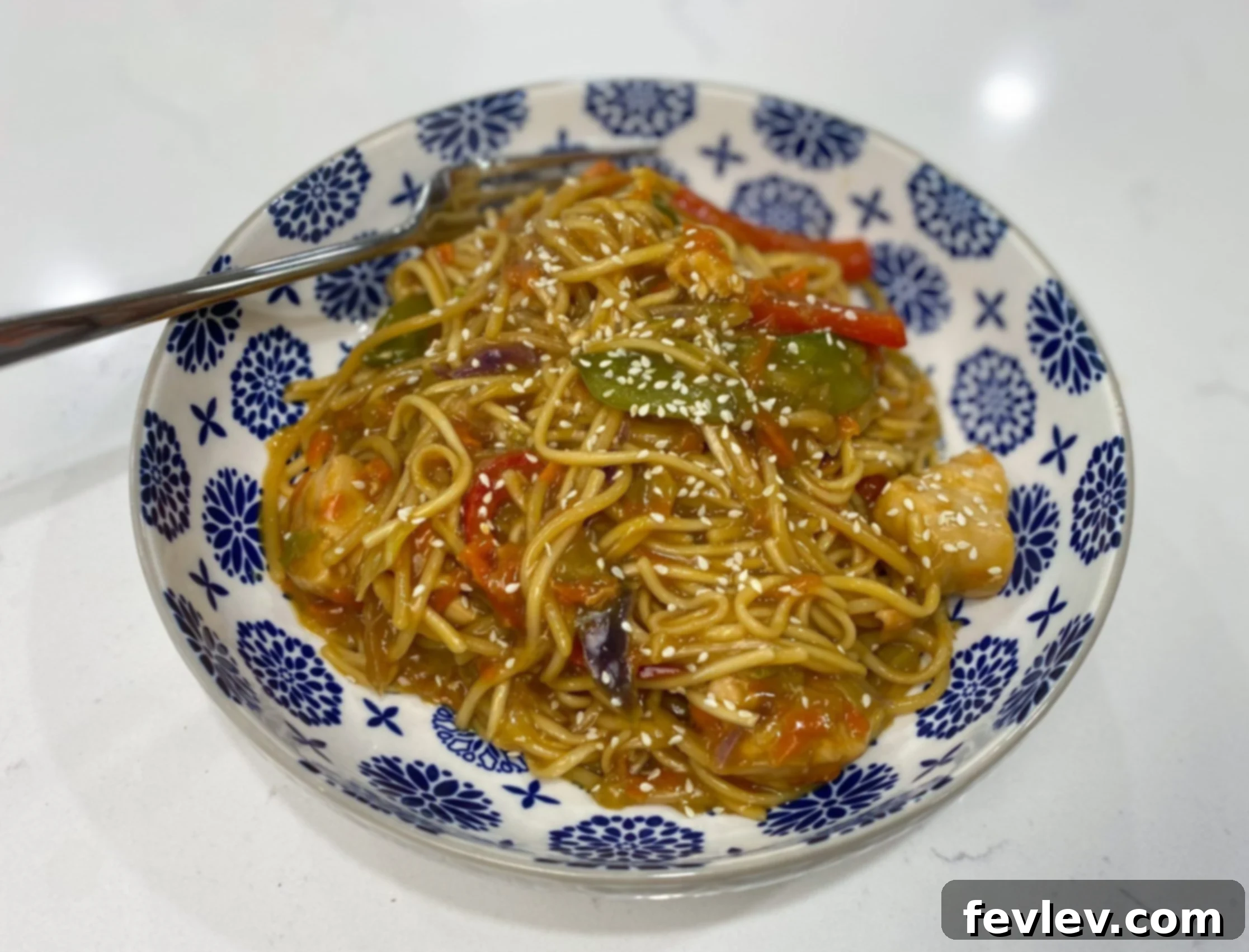
Better-Than-Takeout Chicken Chow Mein with Fresh Vegetables
Are you yearning for the irresistible flavors of your favorite Chinese takeout but want a healthier, fresher, and more budget-friendly alternative? Look no further! This incredible homemade Chicken Chow Mein recipe brings all the authentic taste you love straight to your kitchen. Say goodbye to greasy, overly salty dishes and hello to a meal packed with succulent chicken, crisp, vibrant vegetables, and a truly savory sauce that will have everyone reaching for another serving.
While the culinary world often draws a distinction between “Chow Mein” (typically referring to fried noodles) and “Lo Mein” (meaning stirred or tossed noodles), for the sake of familiarity and delivering an exceptional homemade experience, we’re affectionately labeling this delightful stir-fried noodle dish “Chow Mein.” Regardless of the technical term, one thing remains certain: this recipe is an absolute culinary triumph. It’s incredibly straightforward to prepare, bursts with fresh flavors from wholesome ingredients, and promises a weeknight meal that’s a significant upgrade from any restaurant version. Prepare to tantalize your taste buds and simplify your dinner routine with this fantastic dish!
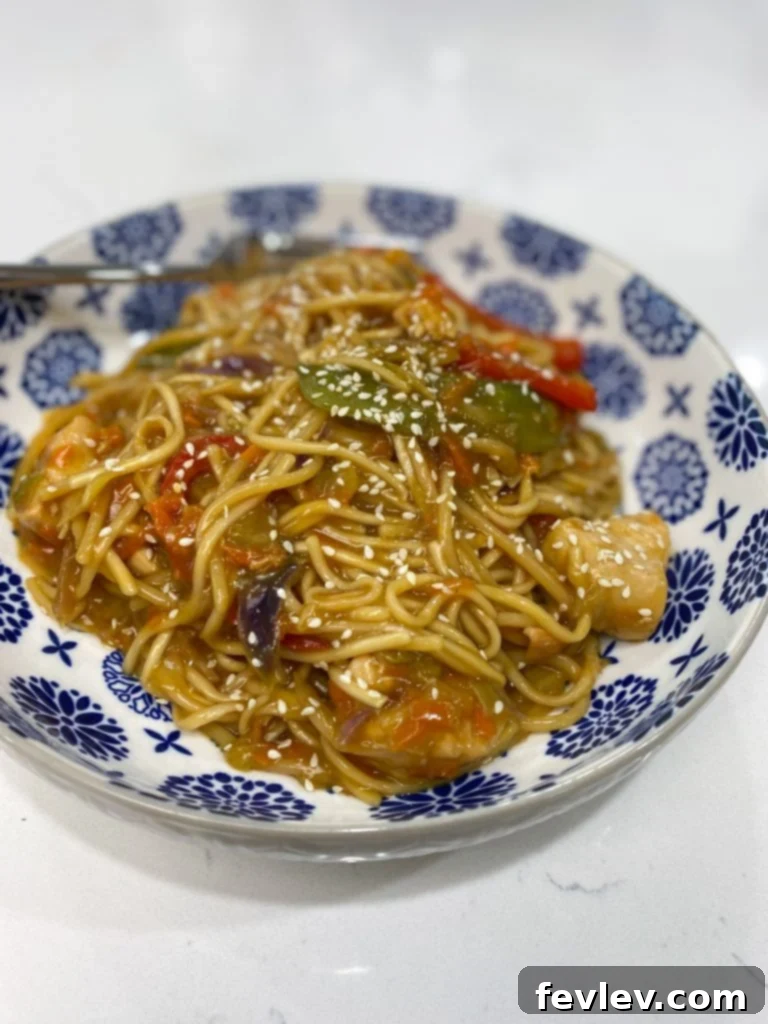
The Allure of Homemade Chicken Chow Mein
There are countless compelling reasons to choose a homemade version of Chicken Chow Mein over your usual takeout order. Beyond the sheer satisfaction of cooking from scratch, preparing this classic dish at home grants you unparalleled control over the ingredients, leading to a healthier and often more delicious result. When you whip up this recipe in your own kitchen, you’re opting for a meal that is:
- Healthier: You dictate the amount of oil, sodium, and sugar, allowing you to create a dish that fits your dietary needs. Plus, you can generously load it with an abundance of fresh, nutritious vegetables.
- Fresher: Savor the immediate crispness of perfectly cooked vegetables and the tender juiciness of chicken, without any concerns about delivery times or lukewarm food.
- More Economical: A single homemade batch frequently costs less than a typical takeout order and almost always yields more generous servings, making it ideal for families or meal prepping.
- Completely Customizable: This recipe is a canvas for your culinary creativity. Easily swap proteins, incorporate different vegetables, or adjust the spice levels to perfectly match your family’s preferences and any dietary requirements.
- Deliciously Rewarding: There’s a unique sense of accomplishment and joy in preparing a restaurant-quality meal from scratch that everyone at your table enthusiastically enjoys.
This recipe is meticulously designed to be straightforward and approachable, demonstrating that crafting incredible Chinese-inspired cuisine doesn’t have to be an intimidating or time-consuming endeavor. It’s the perfect solution for busy weeknights, offering a complete, satisfying meal ready in under 30 minutes. The rich, savory sauce expertly coats every strand of noodle, while the chicken remains wonderfully juicy and the vegetables retain their delightful, vibrant crunch. Get ready to add this phenomenal dish to your regular meal rotation!
Essential Ingredients for Your Perfect Chicken Chow Mein
One of the most appealing aspects of this Chicken Chow Mein recipe is its reliance on readily accessible ingredients. You won’t need to embark on a scavenger hunt for obscure items; everything required can be conveniently found at your local grocery store, typically within the produce and Asian foods aisles. Here’s a detailed breakdown of what makes this dish so remarkably delicious and wholesome:
- Carrots: Shredded carrots are not just for color! They infuse the dish with a touch of natural sweetness and contribute essential vitamins, particularly Vitamin A, along with beneficial fiber.
- Red Bell Pepper: Sliced bell peppers (feel free to use any color you have on hand, though red offers a beautiful sweetness and vibrant visual appeal) provide a refreshing crunch and a significant boost of Vitamin C, adding both flavor and nutrition.
- Olive Oil: A good quality olive oil or your preferred cooking oil is fundamental for the stir-frying process. It’s crucial for achieving that desirable sear on your chicken and for perfectly softening the vegetables.
- Chicken Breast: Lean, cubed chicken breast is our protein hero for this recipe. It cooks quickly and efficiently, absorbing the savory sauce beautifully, ensuring each bite is tender and bursting with flavor. For a richer taste, you can opt for boneless, skinless chicken thighs.
- Pepper: A simple seasoning of freshly ground black pepper is used to enhance the natural flavors of the chicken as it cooks, adding a subtle warmth without overpowering other ingredients.
- Snow Peas: These delicate, crisp, and tender pods contribute a distinct texture and a subtle, sweet flavor that brightens the entire dish. Slicing them into smaller pieces ensures they are evenly distributed and easy to eat.
- Cabbage: Sliced cabbage is a cornerstone of many classic noodle dishes. It adds wonderful bulk, a satisfying crunch, and a mild, earthy flavor that beautifully complements the other robust ingredients. Using a pre-sliced tri-colored coleslaw mix is an excellent shortcut for busy cooks.
- Minced Garlic: Freshly minced garlic is absolutely crucial for establishing a potent aromatic foundation. Its pungent, savory flavor mellows and sweetens slightly upon cooking, adding incredible depth to the sauce.
- Minced Ginger: Fresh ginger provides a distinctive warm, slightly spicy, and incredibly fragrant element that is quintessential to authentic Asian cuisine. Do not skip this ingredient for an authentic and aromatic flavor profile!
- Hoisin Sauce: This sweet and savory Chinese barbecue sauce is a true game-changer in terms of flavor. It’s thick, wonderfully tangy, and imparts a beautiful gloss and rich umami to the chow mein. You’ll readily find it in the Asian section of most well-stocked supermarkets.
- Low-Sodium Soy Sauce: Essential for adding that unmistakable umami depth, opting for a low-sodium version gives you greater control over the overall saltiness of your dish, allowing for precise flavor balance.
- Chicken Broth: The chicken broth plays a vital role in creating the luscious, flavorful sauce, ensuring that the noodles absorb maximum taste and remain delightfully moist and tender. Vegetable broth can be easily substituted for a vegetarian option.
- Chinese-Style Lo Mein Noodles: While we’re calling this dish “Chow Mein” for broad appeal, these fresh or dried wheat noodles are ideal for achieving the perfect soft, chewy texture. They are typically thicker and softer than the crispy noodles often associated with traditional “fried” chow mein and are easily located in the Asian aisle of your grocery store.
How to Master Homemade Chicken Chow Mein with Vegetables
Creating this incredibly delicious Chicken Chow Mein at home is far simpler than you might imagine, requiring just one large skillet or wok and a few basic cooking steps. The ultimate key to success, particularly with stir-frying, is efficient preparation. This culinary technique, known as “mise en place” (meaning “everything in its place”), involves having all your ingredients chopped, measured, and ready to go before you even turn on the stove. This ensures a smooth, rapid, and stress-free cooking process.
Essential Equipment You’ll Need:
A large skillet or a traditional wok is perfectly suited for this recipe. The wide surface area of these pans allows for even heat distribution and proper stir-frying, which is crucial for achieving that desirable crisp-tender texture in your vegetables and a good sear on your chicken. While any good quality, heavy-bottomed skillet will work wonderfully, a non-stick pan can make both cooking and cleanup even easier. Some culinary enthusiasts prefer a classic wok for its unique ability to distribute heat intensely and its high, sloped sides, which are ideal for tossing ingredients vigorously.
Step-by-Step Cooking Guide:
- Prepare and Sear the Chicken: Begin by placing your large skillet or wok over medium-high heat. Add the olive oil and allow it to heat until it shimmers, indicating it’s hot enough to cook. Carefully add the cubed chicken breast to the hot oil, ensuring it’s spread out as much as possible, ideally in a single layer, for even browning. Season the chicken generously with pepper. Cook for approximately 4 minutes, stirring occasionally, until the chicken is mostly opaque on the outside but not yet fully cooked through. It will finish cooking in the subsequent steps with the vegetables and sauce.
- Introduce and Soften the Vegetables: Once the chicken has developed some appealing color, add the shredded carrots, sliced bell peppers, snow peas, and shredded cabbage to the skillet. Continue to cook for another 3 minutes, stirring constantly and vigorously. The objective here is to soften the vegetables slightly while ensuring they still retain a delightful crisp-tender texture. Be mindful not to overcook them, as they will continue to cook briefly in the sauce.
- Infuse with Aromatic Powerhouses: Create a small, clear space by pushing the chicken and vegetables to one side of your skillet. Add the minced garlic and freshly minced ginger into this cleared space. Sauté these aromatics for about 20 seconds, or until they become incredibly fragrant, releasing their intoxicating scents. Exercise caution to prevent the garlic from burning, as burnt garlic can impart a bitter taste to your dish. Afterward, stir the garlic and ginger thoroughly into the chicken and vegetables, combining all the wonderful flavors.
- Craft the Flavorful Sauce Base: Pour in the hoisin sauce, low-sodium soy sauce, and chicken broth. Stir all the ingredients thoroughly to ensure the rich sauce evenly coats every component. Bring this delectable mixture to a gentle, rolling boil.
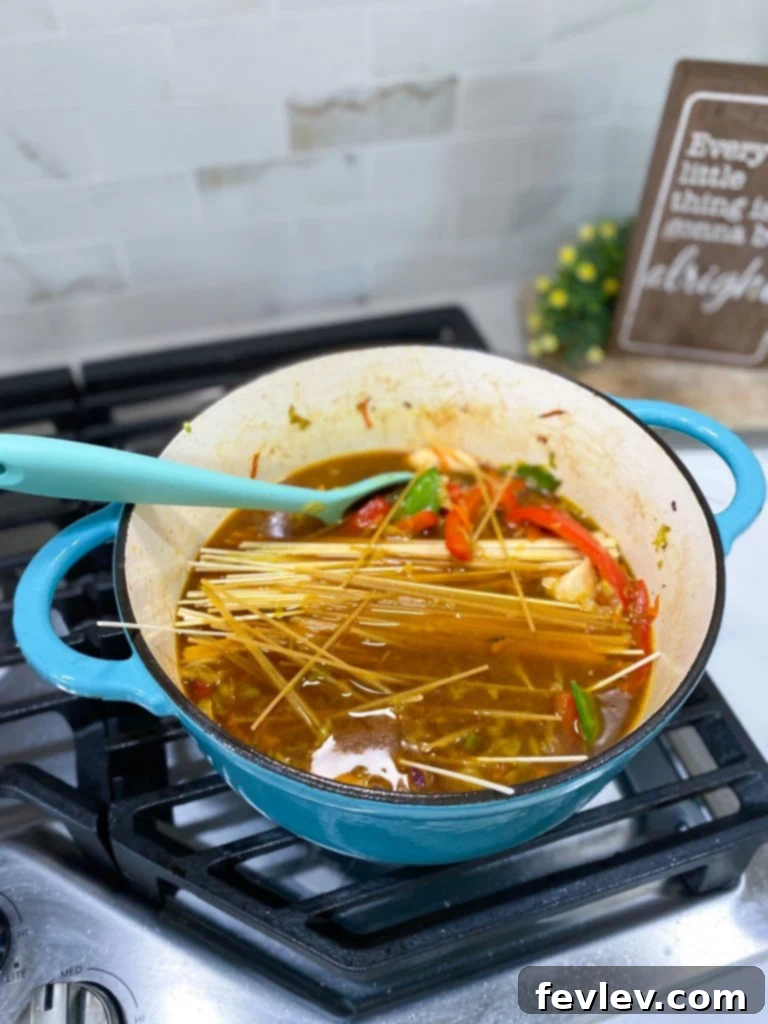
- Cook the Noodles to Perfection: Once the sauce is boiling, add your Chinese-style lo mein noodles directly into the skillet. Reduce the heat to a steady simmer and cook for approximately 8 to 10 minutes. During this time, stir the noodles frequently to prevent sticking and to ensure they evenly absorb the rich, savory sauce. Continue cooking until the noodles are perfectly tender (al dente) and the sauce has reduced and thickened slightly, clinging beautifully to the noodles and other ingredients.
- Serve and Garnish for a Finishing Touch: Carefully divide the hot Chicken Chow Mein into individual serving bowls. For an extra layer of flavor, texture, and visual appeal, generously garnish each serving with toasted sesame seeds and freshly chopped green onions. Serve immediately and relish every forkful of your homemade, truly better-than-takeout meal!
Tips for Achieving the Best Homemade Chow Mein
To elevate your homemade Chicken Chow Mein from good to truly exceptional, consider these expert tips that will enhance flavor, texture, and overall enjoyment:
- Prioritize Mise en Place: This cannot be stressed enough for stir-fries. Before you even think about turning on the stove, ensure all your vegetables are chopped, chicken is cubed, and sauces are measured out. Stir-frying is a rapid cooking method, and having everything prepped prevents panic and ensures ingredients cook perfectly without overcooking.
- Avoid Overcrowding the Pan: For best results, cook in batches if necessary, particularly if you are doubling the recipe or using a smaller skillet. Overcrowding a pan can lower the temperature, causing ingredients to steam rather than stir-fry, which leads to softer textures and less flavorful browning.
- Taste and Adjust Seasoning: Always taste the sauce before adding the noodles and adjust soy sauce or hoisin as needed. Using low-sodium soy sauce provides you with greater control over the final saltiness of the dish, allowing for perfect balance.
- Noodle Selection Matters: While we refer to this as Chow Mein, “Lo Mein” style noodles (typically fresh or dried wheat noodles that are boiled until tender) are best suited for this “stirred” noodle dish. If your preference leans towards crispy noodles, you would generally need to pre-fry or pan-fry cooked noodles separately until they achieve a crispy texture.
- Customize the Spice Level: For those who enjoy a bit of heat, consider adding a pinch of red pepper flakes along with the garlic and ginger, or a drizzle of sriracha sauce at the very end of cooking.
- Consider a Cornstarch Slurry: If you prefer a thicker sauce that clings even more luxuriously to the noodles and ingredients, mix one teaspoon of cornstarch with one tablespoon of cold water to create a slurry. Stir this into the simmering sauce just before adding the noodles.
- Finish with Sesame Oil: For an added layer of nutty aroma and depth, a dash of toasted sesame oil drizzled over the finished dish just before serving can make a remarkable difference.
Delicious Variations and Creative Customizations
One of the true joys of cooking at home is the complete freedom to customize your meals. This Chicken Chow Mein recipe is wonderfully versatile, allowing you to easily adapt it to suit your specific preferences, dietary needs, or simply to utilize whatever fresh ingredients you happen to have on hand. Feel free to experiment and make this recipe truly your own:
- Protein Swaps:
- Beef: For a heartier dish, thinly slice sirloin, flank steak, or skirt steak against the grain. Marinate briefly in a little soy sauce and cornstarch for extra tenderness.
- Shrimp: If using pre-cooked shrimp, add them in the last minute of cooking just to warm through. For raw shrimp, add them a few minutes before the vegetables until they turn pink and opaque.
- Tofu: For a fantastic vegetarian or vegan option, press extra-firm tofu thoroughly to remove excess water, then cube it and pan-fry until golden and crispy before incorporating it into the stir-fry.
- Pork: Thinly sliced pork tenderloin or pork loin makes an excellent alternative.
- Boost Your Vegetables: Elevate the nutritional value and vibrant flavors with additional vegetables. Consider adding broccoli florets, sliced mushrooms, crunchy baby corn, water chestnuts, bamboo shoots, bok choy, or snap peas. Add tougher vegetables earlier in the cooking process and more tender ones later to ensure everything is perfectly cooked.
- Gluten-Free Adaptation: Transforming this recipe into a gluten-free delight is simple. Ensure you use tamari (a gluten-free soy sauce substitute) and verify that your chosen hoisin sauce and noodles are certified gluten-free. Rice noodles can also serve as an excellent gluten-free alternative if wheat-based lo mein noodles are not suitable.
- Sauce Enhancements:
- A splash of rice vinegar can introduce a bright, tangy note that cuts through the richness of the sauce.
- For an extra layer of complexity, add a teaspoon of oyster sauce (ensure it’s gluten-free if needed) along with the hoisin and soy sauce.
- A small amount of brown sugar or honey can deepen the sweet and savory balance if you find the hoisin sauce isn’t sweet enough for your liking.
- Herb and Garnish Power-Ups: Beyond sesame seeds and green onions, consider a sprinkle of fresh cilantro for a bright, herbaceous finish, or finely chopped toasted peanuts for an added textural crunch.
Chicken Chow Mein with Vegetables
Julia Pacheco
10 mins
20 mins
30 mins
4 servings
Ingredients
- 2 large carrots, shredded
- 1 red bell pepper, sliced (or any color)
- 2 tbsp olive oil
- 1 lb chicken breast, cubed
- ½ tsp pepper
- 1 cup snow peas, sliced into smaller pieces
- 3 cups cabbage, sliced (e.g., pre-sliced tri-colored coleslaw mix)
- 1 tbsp minced garlic
- 1 tbsp minced ginger
- ¼ cup hoisin sauce
- ¼ cup low sodium soy sauce
- 4 cups chicken broth
- 13 oz Chinese style Lo Mein noodles
Toppings
- Sesame seeds
- Green onions, chopped
Instructions
- To a large pot or skillet over medium-high heat, add the olive oil. Once the oil is hot and shimmering, add the cubed chicken and season with pepper. Cook for about 4 minutes, stirring occasionally, until the chicken is mostly cooked on the outside but not completely done.
- Stir in the shredded carrots, sliced bell peppers, snow peas, and shredded cabbage. Continue to cook for another 3 minutes, stirring constantly, until the vegetables begin to soften but still retain a slight crispness.
- Push the chicken and vegetables to one side, create a small clear space in the pan, and add the minced garlic and ginger. Sauté for about 20 seconds until fragrant, being careful not to burn the garlic. Then stir the aromatics into the rest of the ingredients.
- Pour in the hoisin sauce, low-sodium soy sauce, and chicken broth. Stir well to combine all the ingredients and bring the mixture to a gentle boil.
- Add the Chinese-style lo mein noodles to the boiling sauce. Reduce the heat to a simmer and cook for approximately 8 to 10 minutes, stirring frequently, until the noodles are tender and have absorbed much of the flavorful sauce. The sauce should also have thickened slightly.
- Divide the chicken chow mein into serving bowls. Garnish generously with sesame seeds and chopped green onions. Serve hot and enjoy your homemade, better-than-takeout meal!
Nutrition Facts (per serving, approximate)
- Calories: 616 kcal
- Carbohydrates: 87g
- Protein: 38g
- Fat: 13g
- Saturated Fat: 2g
- Polyunsaturated Fat: 2g
- Monounsaturated Fat: 6g
- Trans Fat: 0.01g
- Cholesterol: 78mg
- Sodium: 2172mg
- Potassium: 873mg
- Fiber: 6g
- Sugar: 11g
- Vitamin A: 7305 IU
- Vitamin C: 76mg
- Calcium: 76mg
- Iron: 2mg
Nutrition information is automatically calculated and should be used as an approximation. Values may vary based on specific ingredients and preparation.
More Easy Chinese-Inspired Recipes to Try at Home
If you’ve enjoyed the process of creating and savoring this delightful Chicken Chow Mein, you’ll be thrilled to discover other fantastic Chinese-inspired dishes that are equally easy and rewarding to recreate in your own kitchen. Expanding your repertoire of homemade Asian cuisine is a culinary adventure that promises both fun and delicious results. Here are some of our top recommendations for your next cooking session:
- Honey Sesame Chicken and Vegetables: A wonderfully sweet and savory delight, this dish is perfect for those who appreciate chicken coated in a luscious, sticky glaze, balanced with tender-crisp vegetables.
- Vegetable Lo Mein: A fantastic and hearty option for vegetarians, or for anyone simply looking to enjoy a substantial meal packed with an abundance of colorful, nutritious veggies tossed with comforting noodles.
- Vegetable Fried Rice: A quintessential side dish that can easily stand alone as a light main course. This fried rice recipe is bursting with flavor and is an excellent way to transform leftover rice into something truly special.
Tried this recipe?
Let us know how it was!