
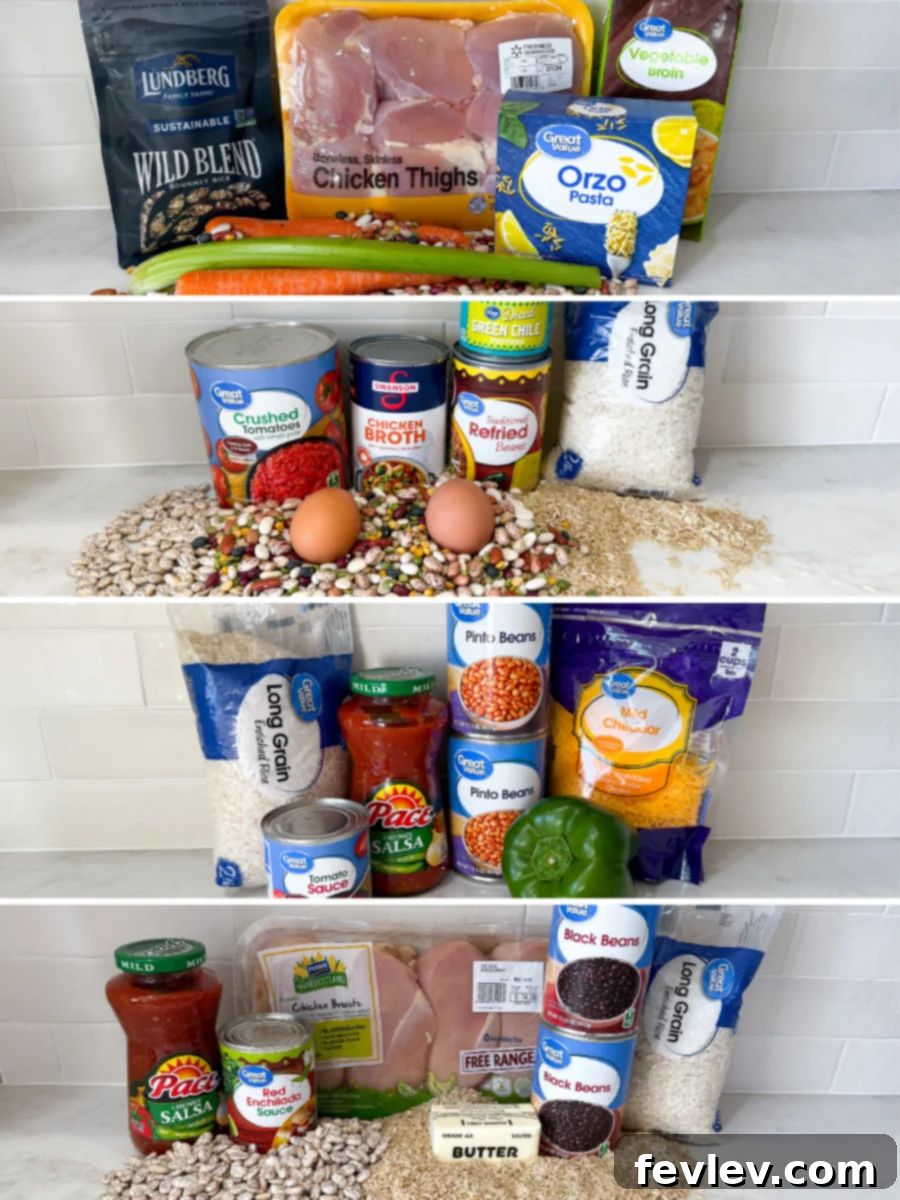
Welcome back to my kitchen, dear cooking friends! Today, I’m thrilled to unveil 12 incredible rice and bean recipes that promise to infuse your meal plan with variety, exceptional flavor, and robust nutrition. Whether you’re craving a comforting casserole, a heartwarming soup, or a vibrant one-pan masterpiece, this curated collection offers a perfect dish for every palate and occasion.
Rice and beans are far more than just pantry staples; they are the culinary backbone of diverse global cuisines, celebrated for being not only remarkably affordable but also extraordinarily versatile and packed with nutrients. Together, they form a complete protein, making them an indispensable choice for budget-conscious families, vegetarians, and anyone seeking wholesome, satisfying meals. Beyond their nutritional prowess, they are delightfully easy to cook, highly adaptable to various flavor profiles, and ideal for efficient meal prepping.
Are you searching for **quick and easy weeknight dinners** that save you time? Perhaps you desire **comforting slow cooker meals** perfect for busy schedules? Or maybe you’re keen to explore **flavor-packed recipes inspired by rich culinary traditions from around the world**? Look no further! Continue reading to discover 12 must-try rice and bean recipes that are guaranteed to bring warmth, satisfaction, and delightful aromas to your family table.
Why Elevate Your Cooking with Rice and Beans?
The timeless combination of rice and beans is a culinary marvel, revered across continents for its simplicity, affordability, and profound nutritional benefits. This duo forms a complete protein, meaning it provides all nine essential amino acids necessary for human health, making it an outstanding foundation for vegetarian and vegan diets, as well as an excellent way to stretch your grocery budget without compromising on quality or taste. Rich in dietary fiber, they support digestive health and help maintain stable blood sugar levels. Furthermore, they are brimming with essential vitamins and minerals, including iron, folate, magnesium, and potassium. Their incredible adaptability allows them to absorb and enhance a vast spectrum of flavors, seasonings, and cooking styles, inviting endless creative possibilities in the kitchen.
The Budget-Friendly Magic of Rice and Beans: Smart Eating, Smart Saving
One of the most compelling reasons to integrate rice and beans into your cooking repertoire is their unparalleled affordability. These humble ingredients stand out as some of the most cost-effective staples available, offering incredible value. A bulk bag of rice and a few pounds of dried beans (or several cans) can form the basis of numerous delicious meals, providing sustenance for days or even weeks. This makes them an invaluable asset for families, students, or anyone diligently working to reduce their grocery expenses without sacrificing flavor or nutrition.
Why are rice and beans such a cost-effective powerhouse?
- Extended Shelf Life: Both dry rice and beans boast an impressively long shelf life, allowing you to stock up during sales and store them for months, even years, without spoilage.
- Nutrient Density at a Fraction of the Cost: They deliver a significant punch of protein, fiber, and vital vitamins and minerals for a mere fraction of the cost associated with many meat-based meals. This means more nutrition for less money.
- Remarkable Versatility: Rice and beans are culinary chameleons, pairing harmoniously with an extensive array of spices, herbs, vegetables, and proteins. This versatility ensures you can create countless unique and flavorful meals, keeping your diet exciting and preventing meal fatigue.
- Perfect for Batch Cooking: Their stability and ease of preparation make them ideal for batch cooking. Prepare a large quantity on the weekend, and you’ll have a ready-made base for quick, healthy meals throughout the busy week, saving both time and money.
Whether you’re planning a feast for a large gathering or meticulously meal-prepping on a tight budget, these diverse rice and bean recipes will empower you to create delicious, incredibly filling, and nutritious meals without ever breaking the bank. They are a testament to the fact that wholesome, satisfying food doesn’t have to be expensive.

I’m Julia Pacheco, a published cookbook author and dedicated food creator who finds immense joy in crafting delicious, budget-friendly meals that bring people together. From my earliest days learning to cook alongside my mom to navigating life with the support of WIC and food stamps, I deeply understand the importance of making every single meal count.
If you’re new here or simply exploring my page for the first time, I’d love to connect with you! Discover more about my culinary journey and my passion for cooking by visiting my story here: Julia Pacheco
How to Effortlessly Customize These Rice and Bean Recipes
The beauty of rice and bean dishes lies in their inherent flexibility. Don’t hesitate to personalize these recipes to match your taste preferences, dietary needs, or what you have on hand. Here are some easy ways to get creative:
- Swap the Beans: Experiment with different types of beans to alter the flavor and texture. Black beans offer an earthy depth, pinto beans provide a creamy richness, chickpeas add a nutty bite, and lentils are fantastic for quick cooking and a lighter feel. Each variety brings its own unique character to the dish.
- Change Up the Rice Base: While white rice is classic, don’t limit yourself! Brown rice offers a nutty flavor and added fiber, wild rice contributes a distinct chewiness and earthy notes, and cauliflower rice can be a low-carb alternative for certain dishes. Consider basmati or jasmine for aromatic flair.
- Add or Adjust Protein: Many of these recipes are delicious as vegetarian meals, but you can easily boost the protein content. Incorporate cooked chicken, ground beef, savory sausage, or even seafood like shrimp for an extra hearty meal. For plant-based protein, consider tofu, tempeh, or additional legumes.
- Spice It Up to Your Liking: Don’t be shy with seasonings! Adjust the heat level with extra chili flakes, fresh or dried chilies, or a dash of your favorite hot sauce. Enhance flavors with an abundance of fresh herbs (cilantro, parsley, oregano), a squeeze of lime juice, or a sprinkle of cheese for added richness.
Storing & Meal Prep Tips for Maximum Convenience
Rice and bean dishes are meal prep champions, making them perfect for preparing ahead and enjoying throughout the week. Proper storage ensures your delicious creations stay fresh and safe:
- Refrigerate for Freshness: Most rice and bean dishes maintain their excellent quality and flavor when stored in an airtight container in the refrigerator for up to 5 days. This makes them ideal for packed lunches or quick reheatable dinners.
- Freeze for Longer Storage: Many of these versatile meals are freezer-friendly, offering a convenient solution for future busy evenings. Portion them into freezer-safe bags or containers and store for up to 3 months. Simply thaw overnight in the fridge or use the defrost setting on your microwave, then reheat thoroughly.
- Strategic Batch Cooking: To streamline your cooking process, prepare larger quantities of plain cooked rice and beans at the beginning of the week. Having these foundational ingredients ready means you can quickly assemble various meals with minimal effort, transforming cooking from a chore into a seamless routine.
Watch These Easy & Delicious Bean and Rice Recipes Come to Life!
12 Must-Try Rice & Bean Recipes for Every Occasion:
Spanish Rice with Pinto Beans
Chicken and Wild Rice Casserole
Chicken Black Bean and Rice Casserole
One-Pot Mexican Quinoa
Mexican Beef and Rice Skillet
No Peek Pork Chop Casserole
Tamale Casserole
Ground Turkey and Rice Skillet
Easy Chicken Fried Rice
Italian Chicken and Rice
Chicken and Rice Casserole with Broccoli
Black Bean Enchilada Casserole
Frequently Asked Questions About Achieving Perfect Rice
1. How can I ensure my rice turns out perfectly fluffy every time?
Achieving fluffy rice involves a few key steps. First, always rinse your rice under cold running water until the water appears clear. This removes excess starch, which can cause stickiness. Second, use the correct water-to-rice ratio, which typically varies by rice type (e.g., 1:2 for white rice, 1:2.5 for brown rice). Finally, after cooking, resist the urge to peek! Let the rice rest, covered, for at least 5-10 minutes off the heat. This allows the steam to redistribute, resulting in individual, tender grains that can then be gently fluffed with a fork.
2. What is the best type of rice to use for different culinary applications?
The ideal rice choice depends heavily on your desired outcome:
- Long-grain rice (such as Basmati or Jasmine) is known for its light, separate grains and aromatic qualities, making it superb for pilafs, stir-fries, and as a side dish.
- Medium-grain rice (like Arborio) becomes creamy when cooked, perfect for risottos and paellas.
- Short-grain rice (such as sushi rice) cooks up sticky and tender, essential for sushi, rice puddings, and dishes where you want the grains to cling together.
- Brown rice offers a nutty flavor, a chewier texture, and a higher fiber content, making it a nutritious alternative for almost any dish.
- Wild rice, technically a grass seed, adds a distinctive earthy flavor and a wonderfully chewy texture, excellent in soups, salads, and hearty casseroles.
3. My rice is often either too mushy or too dry. What am I doing wrong?
- Mushy rice is typically a sign of too much water or overcooking. The grains absorb too much liquid and break down. For your next attempt, try reducing the liquid by about a quarter cup or decreasing the cooking time slightly.
- Dry or hard rice indicates insufficient water or not enough cooking time. The grains haven’t fully hydrated. If you notice this during cooking, add a small splash of hot water, cover tightly, and steam for an additional few minutes on low heat. Ensure your pot lid creates a tight seal to prevent steam from escaping.
4. Can I cook rice using an Instant Pot or slow cooker for convenience?
Absolutely! Both appliances are fantastic for cooking rice, albeit with different results. Instant Pots are renowned for delivering perfectly cooked rice quickly and consistently, often requiring precise water-to-rice ratios and a short pressure cooking time. They are excellent for hands-off, fast rice preparation. Slow cookers, on the other hand, are best suited for recipes where rice cooks alongside other ingredients, like in savory casseroles or hearty soups, slowly absorbing flavors for a deeper profile. Cooking plain rice in a slow cooker is less common but can be done with specific recipes.
5. How can I infuse more flavor into plain cooked rice?
Transforming plain rice into a flavorful side dish is simple. Instead of water, cook your rice in rich chicken, vegetable, or beef broth for an instant boost in depth and savory notes. For aromatic complexity, sauté minced garlic, diced onions, or a blend of your favorite spices (like cumin, turmeric, or bay leaves) in a little oil before adding the rice and liquid. You can also stir in fresh herbs, a squeeze of lemon or lime juice, or a pat of butter after cooking for a vibrant finish.
Frequently Asked Questions About Cooking Beans to Perfection
1. Is it truly necessary to soak dry beans before cooking them?
While not strictly mandatory for all types of beans, soaking dry beans overnight offers several benefits. It significantly reduces their cooking time, making them tender faster, and also helps to break down complex sugars, which can make them easier to digest and reduce common gastrointestinal discomfort. If you’re short on time, the quick soak method is an excellent alternative: boil the beans for 2 minutes, then remove from heat and let them sit, covered, for an hour before draining and cooking as usual.
2. What’s the best approach to cooking dry beans from scratch on the stovetop?
To cook dry beans from scratch, begin by rinsing them thoroughly. After soaking (if desired), transfer the beans to a large pot and cover them with fresh water or broth, ensuring at least an inch or two of liquid above the beans. Add any desired seasonings like bay leaves, garlic cloves, or onion halves. Bring to a boil, then reduce heat to a gentle simmer, covering partially. Cook for approximately 1-2 hours, or until the beans are tender. Cooking times can vary significantly based on the type and age of the beans, so taste-test periodically.
3. Can I cook dry beans efficiently using an Instant Pot or a slow cooker?
Absolutely! Both appliances are fantastic for cooking dry beans. The Instant Pot is a game-changer, allowing you to cook most dry beans (even un-soaked ones) in about 30-45 minutes under pressure, dramatically cutting down on cooking time. Slow cookers, while slower, are also excellent for beans, especially if you prefer a ‘set-it-and-forget-it’ method. Beans typically take 6-8 hours on low heat in a slow cooker, resulting in incredibly tender and flavorful legumes.
4. How can I make canned beans taste significantly better and less bland?
Canned beans are a convenient shortcut, but they can be a bit bland straight from the can. To elevate their flavor, always drain and rinse them thoroughly to remove excess sodium and starchy liquid. Then, sauté them in a pan with aromatic ingredients like finely diced onions, minced garlic, and your favorite spices (e.g., cumin, chili powder, smoked paprika). You can also simmer them gently in a flavorful broth or tomato sauce for 10-15 minutes, allowing them to absorb richer tastes.
5. Why do my beans sometimes remain hard even after extended cooking?
If your beans stay stubbornly hard, several factors could be at play. The most common reason is that the beans themselves might be old; dried beans that have been stored for a very long time can become extremely difficult to soften. Insufficient cooking time or not enough liquid can also be culprits. Additionally, adding acidic ingredients (such as tomatoes, vinegar, or lemon juice) too early in the cooking process can prevent the beans’ skins from softening. It’s best to add these acidic components towards the end of the cooking time.
6. Is it possible to freeze cooked beans for future use?
Yes, absolutely! Freezing cooked beans is a fantastic way to save time and prevent waste. Once cooked, allow the beans to cool completely. Then, transfer them to freezer-safe bags or airtight containers, ideally with a small amount of their cooking liquid to keep them moist. They can be stored in the freezer for up to 3 months. When ready to use, simply thaw them in the refrigerator overnight or gently reheat from frozen in a pot or microwave.
Join the Conversation! Share Your Culinary Creations!
Which of these delicious rice and bean recipes are you most eager to try first? I’d love to hear about your favorites and see your kitchen adventures! Please share your thoughts in the comments section below, or better yet, tag me on Instagram @julia.pacheco.cooking with photos of your mouthwatering creations! For more effortless and inspiring meal ideas, be sure to explore my comprehensive blog for additional recipes and subscribe to my YouTube channel for engaging, step-by-step cooking tutorials that make healthy eating fun and accessible.
Happy Cooking, and enjoy every flavorful bite!